
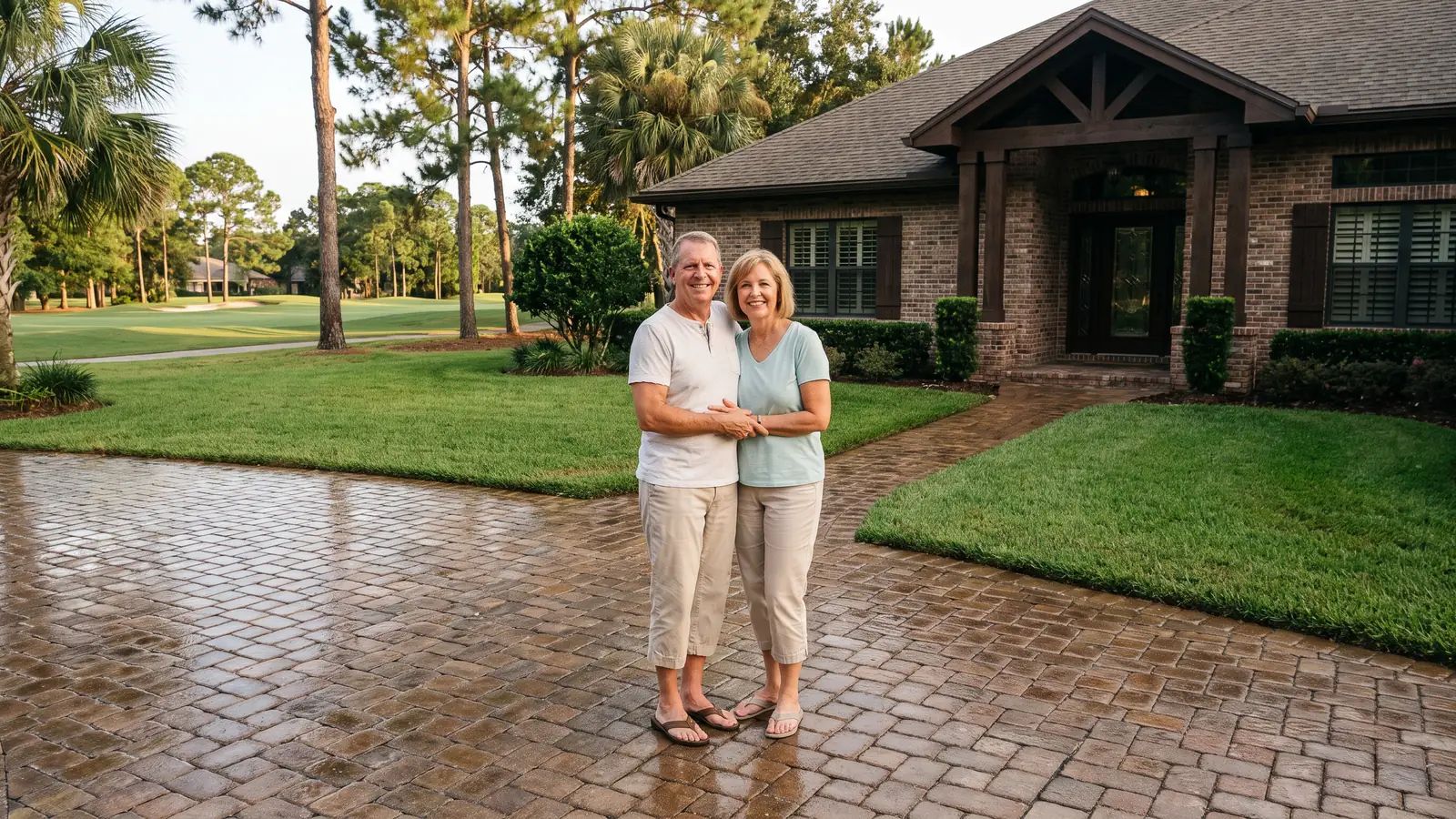
Paver sealing for Sandalwood homes
Paver Sealing in Sandalwood, FL
Pearce-Uible started Sandalwood in 1960, so older driveways may hold several coats; call (904) 817-0508 for a free estimate.
- Brings out deeper paver color
- Fresh joint sand helps lock pavers in place
- Gives weeds less room to grow
- Makes the surface easier to keep clean
- Free estimate, no obligation
Request a Free Estimate
Free, no obligation.
Fast, careful paver sealing in Sandalwood
Paver sealing is available across Sandalwood, from the 1960s ranch streets to the newer homes, and the first estimate is free. A local contractor cleans, re-sands and seals driveways, front walks and back patios, then leaves the area tidy. Call (904) 817-0508 and you can expect an answer within 1 business day, usually much sooner.
You probably know the look: a drive gone flat and chalky, joints low enough that sand sits in the gutter after a storm, and weeds filling the gaps by the curb. Cleaned, re-sanded and sealed, those same pavers turn one steady color again, and water beads on top. That small change makes a house look cared for from the street. If you want to compare notes first, ask for a free estimate and describe your driveway.
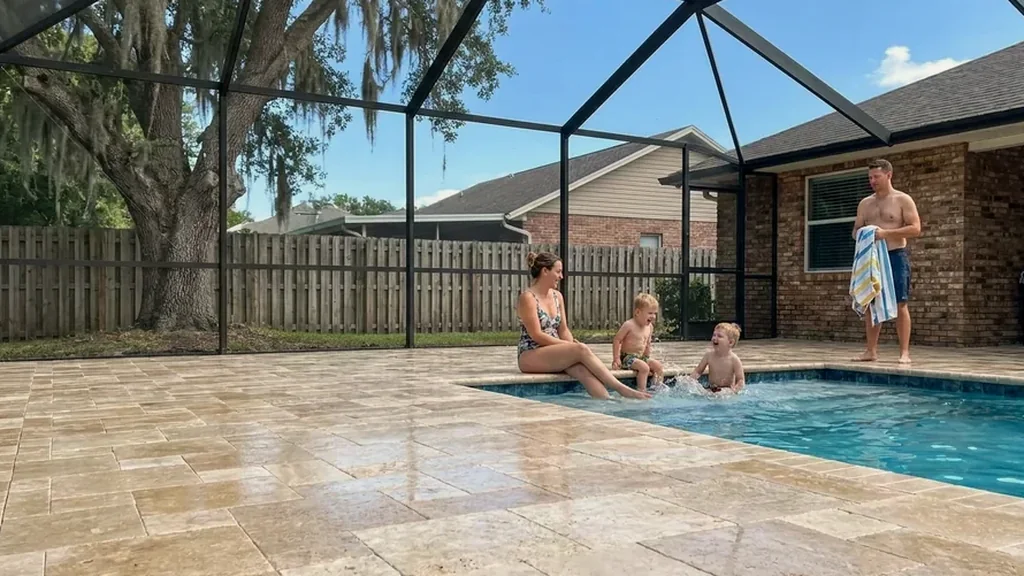
Why hire a local paver sealing contractor in Sandalwood?
Sandalwood's driveways get used every day, and many sit on lots that are over sixty years old. A local contractor who knows the area can say what that age means for your pavers, and what it means for the price, so ask for a free estimate.
Look first, then price
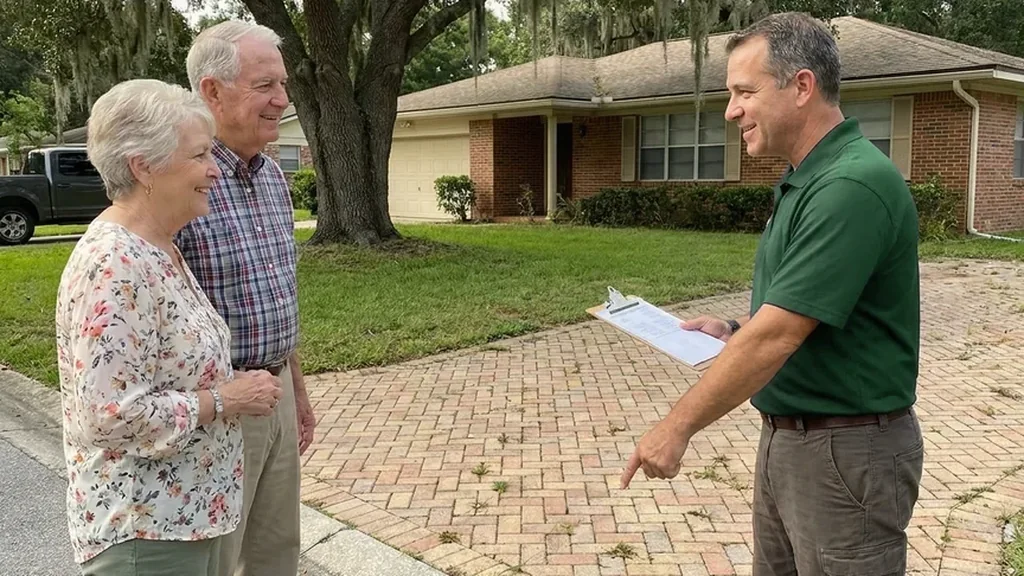
The contractor looks at your Sandalwood drive or patio and gives you a price at no charge. You decide what happens next, and nothing is owed for asking or for a second look.
A cost range worth checking
The going Northeast Florida rate is $1.75 to $3.25 per square foot, covering the clean, the sand and the seal. Lay any Sandalwood quote next to that range, and ask what each line covers.
Color that fits the house
Matte keeps a 1960s brick or stucco front looking calm. Wet look deepens color, though it shows scuffs sooner on a busy drive, so pick for how you use it.
No pressure to book
A quote is only a quote. Take a few days, ask questions and choose the date that works for your household, with no pressure from anyone.
Get Your Free Estimate in Sandalwood
Tell us about your pavers in Sandalwood.
Free, no obligation
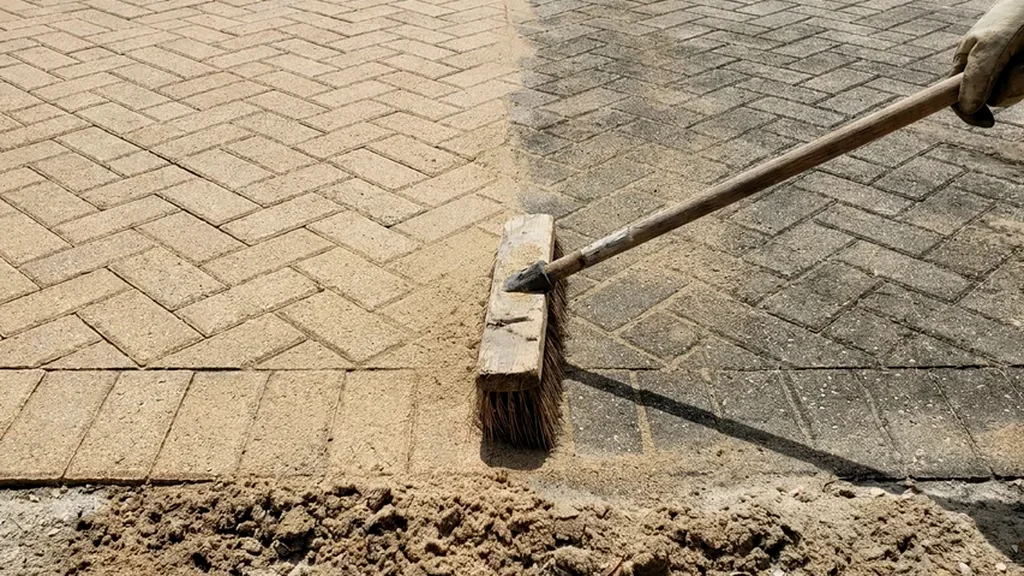
What paver problems show up most in Sandalwood?
A driveway that works every day
Walk Score rates Sandalwood 14 out of 100 and says almost every errand needs a car. That means your driveway is crossed several times a day, in and out for work, school and groceries. One local company says the weight of a car and the turn of its tires loosen joint sand, and pavers then creep and settle. Busy drives show the damage first, usually along the tire lanes and near the street. Fresh sand and a sealed surface help the joints hold.
Pavers added long after the house
Sandalwood started in 1960, and homes there date from 1960 to 2019. Pavers were not part of the original plan for most lots, so a later owner added them. That owner may have chosen any sealer, or none at all. Another Jacksonville company says older pavers can hold old failing sealer that has to be stripped, which is why the first visit checks the surface before anything else. Keep any bucket label or receipt you find, since it can save an hour of guessing.
Sand that moves with the rain
The USDA describes the Ortega soil series in this county as moderately well drained sand with rapid permeability. Jacksonville also gets about 52 inches of rain a year, much of it in hard summer storms. Joints that lose sand open up, and one Jacksonville company says that sand ends up in the gutter after rain. Open joints invite soil, and weeds follow soon after. A seal over full joints keeps the sand where it belongs. Ask the contractor how full the joints should be.
Color that bleaches in full sun
One local company says color looks washed out in sunny Southside areas, and that full-sun drives need resealing about every 18 to 24 months. A flat or chalky look is the first sign that the coat is thinning. A sealer layer works like sunscreen, which means a drive in open sun should be checked sooner than a shaded walk beside the house. If your drive faces south or west, plan on the shorter end.
Weeds and ant hills along the edges
A paver trade article says low or empty joints should be topped up with sand, and that cleaning and sealing discourage ants and weed growth in the joints. If you pull weeds from the same seam every month, the joint is the real problem. Refilling it and sealing over it is a different fix than pulling, and it lasts longer. Edges along the lawn and the curb are where it starts.
Does a 1960s Sandalwood lot seal differently from a newer one?
Yes, mostly because of what may already be on the pavers. Sandalwood's real estate profile shows homes built from 1960 to 2019 with a median year of 1973, so some drives are old and some are new. An older drive may have seen several owners and more than one product. When you ask for a free estimate, give the contractor a rough build year for your home.
Sandalwood sits between the Southside and Arlington, and Walk Score lists Park Ridge, Beachwood, Southside Estates and Atlantic Boulevard Estates as neighbors. Sandalwood High School opened in 1971, which gives you a landmark for the contractor to find. The area is spread out, so the nearest cross street matters more than the neighborhood name. If your street is near any of these places, call (904) 817-0508 and name it.
Newer homes in the area may belong to an association, and some pavers sit on shared ground. Florida law lets an association review a change only as far as its declaration or guidelines allow. Check your papers before you pick a finish, because a high-gloss coat can draw a letter. Then ask for a free estimate and say what you found.
What does paver sealing cost in Sandalwood?
Think of $1.75 to $3.25 per square foot as the going rate that Northeast Florida companies post for the full clean, sand and seal. Where a Sandalwood job lands in that span depends on old sealer, empty joints and stains that need treatment. A Jacksonville cost guide notes that smaller jobs cost more per square foot than big ones. To get a price for your drive, ask for a free estimate, and the estimate is free.
Heavy tire-lane wear and rust marks add time rather than a new rate. Prep takes most of the day, and one Jacksonville company says it spends two to three hours of prep for each hour of sealing. That is why a front walk and a driveway are often quoted together, with one visit and one setup. Call (904) 817-0508 and describe every surface you want done, so nothing is missed.
| Paved area | Typical example | Clean, sand and seal |
|---|---|---|
| 300 sq ft | Small patio or walkway | $525 to $975 |
| 600 sq ft | Two car driveway | $1,050 to $1,950 |
| 1,000 sq ft | Large driveway or pool deck | $1,750 to $3,250 |
| 1,500 sq ft | Driveway plus pool deck | $2,625 to $4,875 |
Math based on the $1.75 to $3.25 per square foot that Northeast Florida paver companies published as of November 2026. Your contractor sets the actual price after seeing the surface. Repairs, leveling and stripping failed sealer are usually extra.
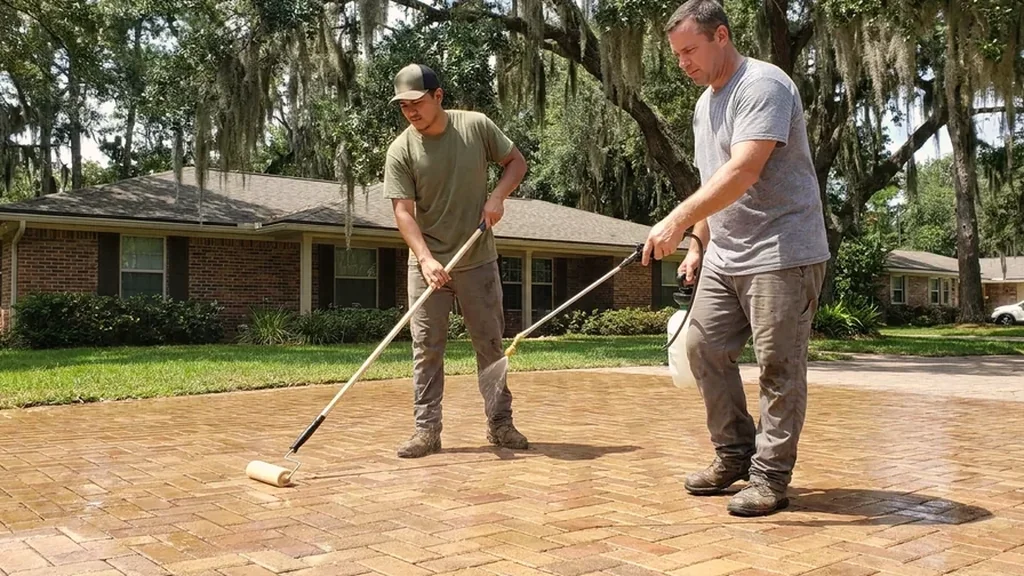
How does a paver sealing job work in Sandalwood?
Ask what is already on the surface
The contractor starts by asking who sealed the pavers last, and with what. If nobody knows, a small test spot may tell. Water-based sealer cannot go over solvent-based sealer, so this answer decides the product. If you kept a receipt or a bucket label, bring it out. Taking five minutes here prevents a wrong product.
Reset the low spots
Sealing locks in whatever is there. If the apron has sunk or a section near the garage has dipped, the contractor lifts and resets those pavers first. Then the whole area is level enough to coat evenly. Skipping this step keeps a puddle in your drive for years. Lifted pavers are put back on fresh bedding sand.
Scrub, rinse and refill
The pavers are cleaned, and oil, tire marks and rust get extra care. Washing removes joint sand, so fresh sand is swept in until each joint is full. That step is what keeps weeds from coming back through the seams. The extra sand is swept off the faces before the surface dries. Stains that will not lift are noted before sealing, not after. Rust from sprinklers gets treated at this stage too.
Let the sun do its part
Sealer needs a dry surface, and the contractor will not coat damp pavers. Sandalwood storms come in short and heavy from May to September, so the forecast sets the day. The drier months, November to April, give more room. A day lost to rain is better than a cloudy finish. You will be told before anyone arrives.
Spray, back-roll and cure
One Jacksonville company says professionals spray sealer and then back-roll it to work it into the joints. You choose matte or wet look. You can usually walk on it in a few hours and park on it the next day. Water that beads on top afterward tells you the coat is working. Ask for the exact keep-off time before you plan your week.
Complete paver services in Sandalwood
A Sandalwood visit has a simple shape. A contractor looks, washes, refills the joints, waits for the surface to dry and then seals. The waiting is what protects the finish, and rushing it shows up as stains or peeling within a season. To ask how many days your lot might need, call (904) 817-0508.
Most Sandalwood jobs are driveways, front walks and back patios. The drive takes tires and oil, the front walk may get the shade of a tree or two, and the patio gets sun and sprinkler spray. Each one is priced by its own area, so list them all, even the small walk to the side gate. Tell the contractor which ones you want when you ask for a free estimate.
Sealer choice is a short list. Water-based or solvent-based comes first, with an old coat deciding which is allowed, then matte or wet look. Matte hides scuffs longer on a daily-use drive, while wet look deepens color but shows wear sooner. Ask the contractor for a sample on a paver from your drive, then call (904) 817-0508 to book.
Timing in Sandalwood follows the rain. Summer brings sudden storms, and the drier months run from November to April. A contractor will often try for a dry week, and a flexible homeowner makes that easier. For open dates on your street, ask for a free estimate, and the answer comes back within a business day.
Questions to ask before you hire
- What happens if a thunderstorm hits the afternoon after the job?
- Is there a charge to come out and measure before I get a quote?
- What do you do if the sealer looks blotchy or peels later?
- Do you carry liability insurance, and can I see the certificate?
- Do you wash with a surface cleaner or a hand wand?
- Will you test a small spot of my pavers before you pick a sealer?
- What does the price per square foot include, and what costs extra?
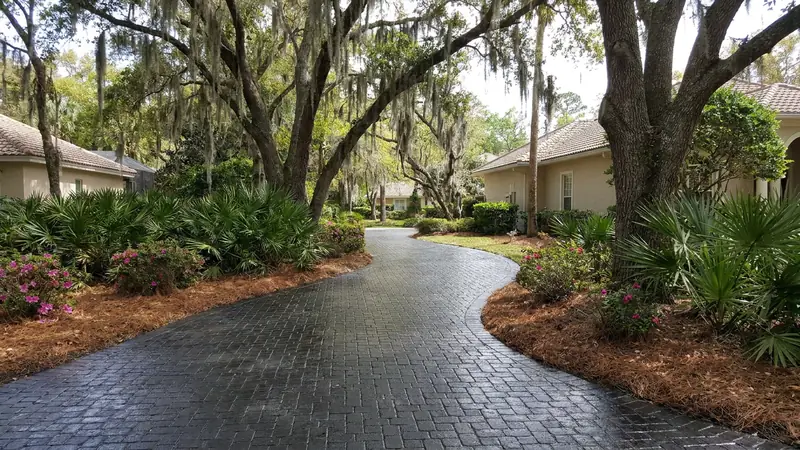
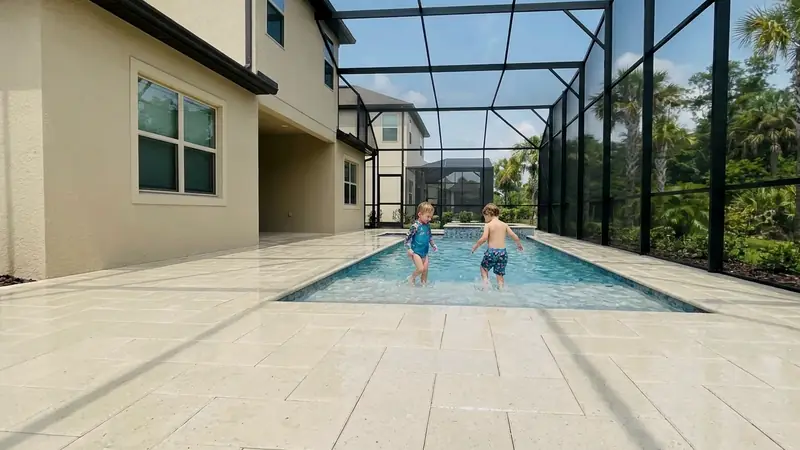
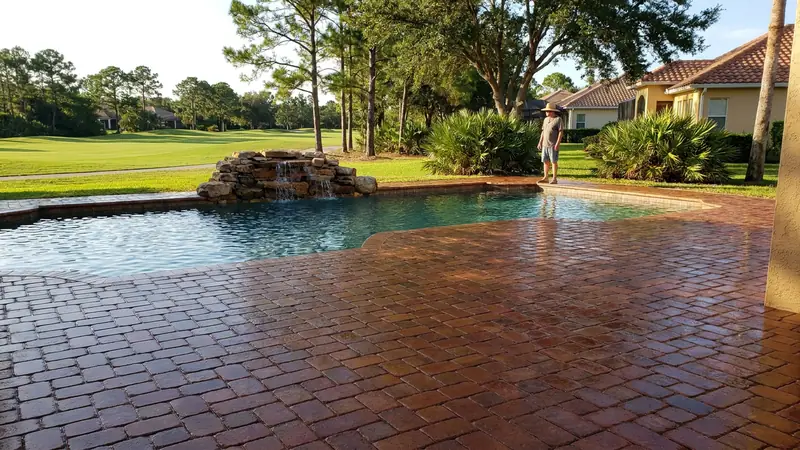
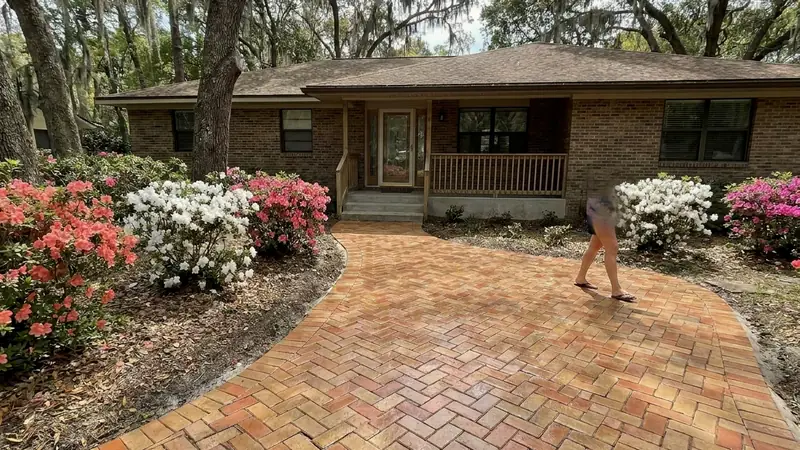
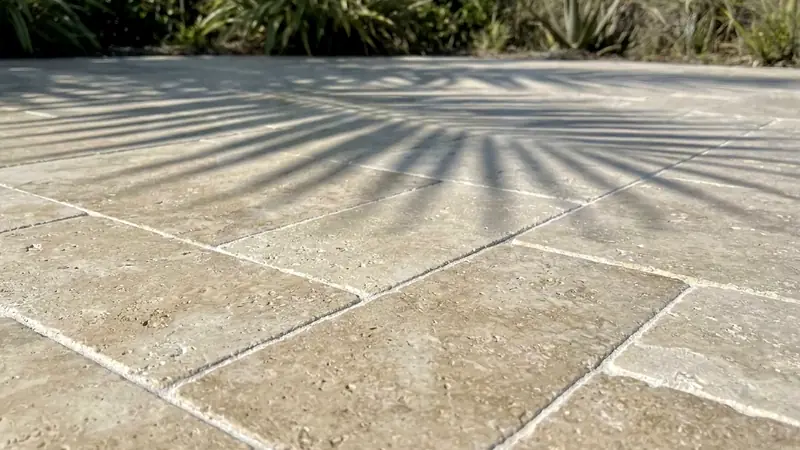
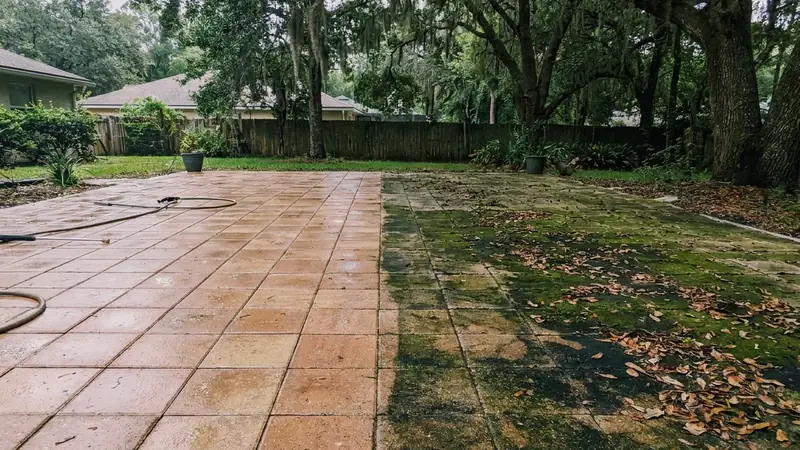
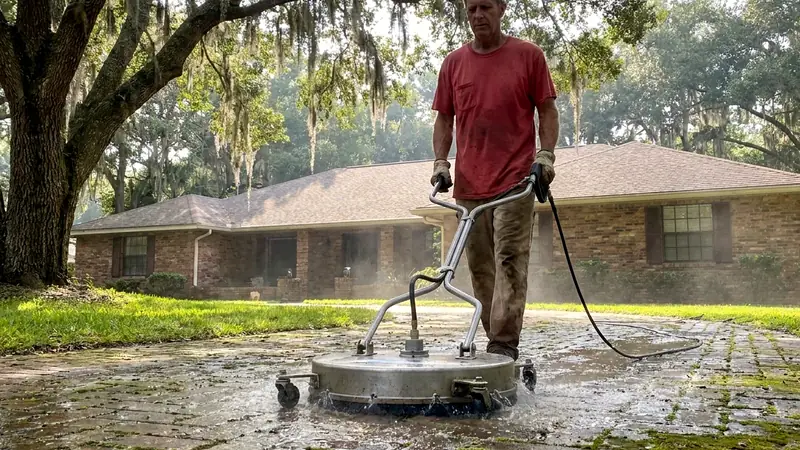
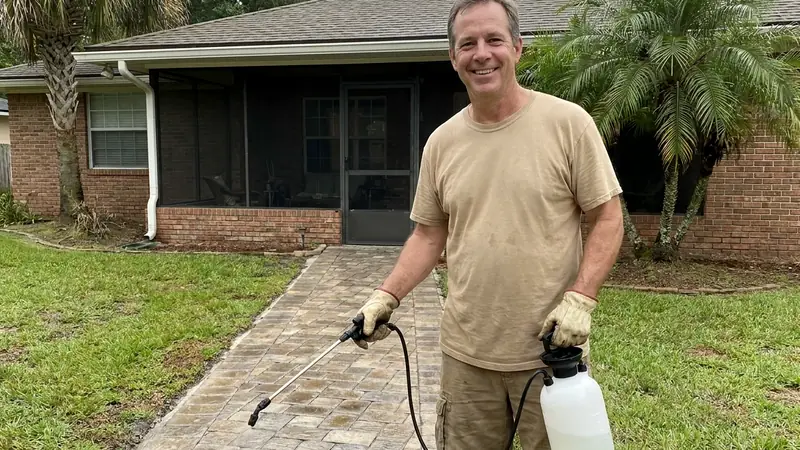
What do sealed pavers look like around Sandalwood?
Why local matters in Sandalwood
A contractor who knows Sandalwood knows its age. The first houses went up in 1960 and the high school opened in 1971, so a typical street has seen decades of owners. That history is why the first question is about old sealer. To talk to a local contractor, call (904) 817-0508.
Sandalwood is also a place where cars rule. With a Walk Score of 14, daily driving is the norm and driveways take the load. A contractor who works the neighborhood expects tire-lane wear and plans extra time for it, which helps your quote stay honest. You can ask for a free estimate and mention how many cars use your drive.
Local timing counts too, since afternoon storms in summer are routine. A contractor in the area watches the sky and the surface rather than a calendar. That cuts the chance of cloudy sealer on a wet paver, and it saves a repeat visit and a second trip charge. If you would like a date, ask for a free estimate and ask for a dry-weather window.
Why do people call Sandalwood halfway between downtown and the beaches?
Because it is, roughly. Wikipedia says Sandalwood began developing in spring 1960, about 6 miles from downtown and about 6 miles from the beaches. Pearce-Uible, the builder, worked from 3850 Beach Boulevard and sold the area as a Southside spot between business and pleasure. If you live on one of those first streets, you can ask for a free estimate and say so.
The area grew fast after the Mathews Bridge opened in 1953, and Sandalwood was one of many planned subdivisions. Pearce-Uible also built Southside Estates, San Jose and Arlington Manor, and the company later became the Charter Company. Sandalwood High School opened in 1971 as a school for grades 7 through 12. If your house is within sight of one of these places, call (904) 817-0508 with your street name.
Frequently Asked Questions
Is it good to seal pavers in Sandalwood?
Yes, for most Sandalwood driveways and patios, since sealer slows fading and keeps joint sand in place. Full-sun drives gain the most. It wears over time, so check yours about every two to five years. A free estimate is a quick way to learn where yours stands. Matte or wet look is your call.
How long do paver sealers last in Sandalwood?
Between one coat and the next, two to five years is the gap most companies name. Sunny drives with heavy daily use sit at the short end. A simple test is to sprinkle water on the pavers: beading means the sealer still works, and soaking in means it is done. A wet look will also show scuffs sooner than a matte finish does.
What is the average cost to seal pavers in Sandalwood?
The going Northeast Florida rate is $1.75 to $3.25 per square foot, covering the clean, the sand and the seal. Old sealer, stains and empty joints push a job toward the top. Ask for the square footage and the scope in writing so you can compare two quotes fairly. Add the pool deck or side walk to the same visit if you have one.
How often should I seal pavers in Sandalwood, Florida?
Plan on every two to five years, and sooner in full sun. Signs include flat or chalky color, low joints, weeds, ant hills and water that no longer beads. One local company says more than about three years since the last coat is a good time to look. Checking early costs nothing. Sun side and shade side can differ on one lot.
Why is paver sealing so expensive in Sandalwood?
Prep is most of the cost. Prep dominates the cost, at two to three hours for each hour of sealing by one local company's count. Washing, refilling the joints and waiting for dry take time, and old failing sealer adds more. Sealer itself is the smaller part of the bill. Ask which part of the quote is prep.
Can pavers be cleaned, sanded and sealed in one visit?
Often the job spreads over more than one day, because sealer needs a fully dry surface. Cleaning and sanding come first, then drying, then the coat. Ask the contractor how the days will be arranged. A single visit is possible only when the weather and the pavers allow it. Plan around a dry forecast.
Do older Sandalwood pavers need the old sealer removed?
Only if it is failing. A Jacksonville company says older pavers can carry old sealer that must be stripped, and water-based sealer cannot go over solvent-based sealer. The contractor checks the surface before choosing a product, so you do not need to guess. Ask them to explain what they found.
What should I tell the contractor about my Sandalwood driveway?
Give the age of the home, who sealed it last and any stains, sunken spots or weeds. Mention how many cars use it and whether sprinklers hit it. That lets the contractor quote the real job, not a guess, and it keeps the price from shifting later. A few photos help too.
Ready for a Free Estimate in Sandalwood?
Call (904) 817-0508 and tell us about your pavers.
Free, no obligation